Physical Damp Course Sutherland Shire
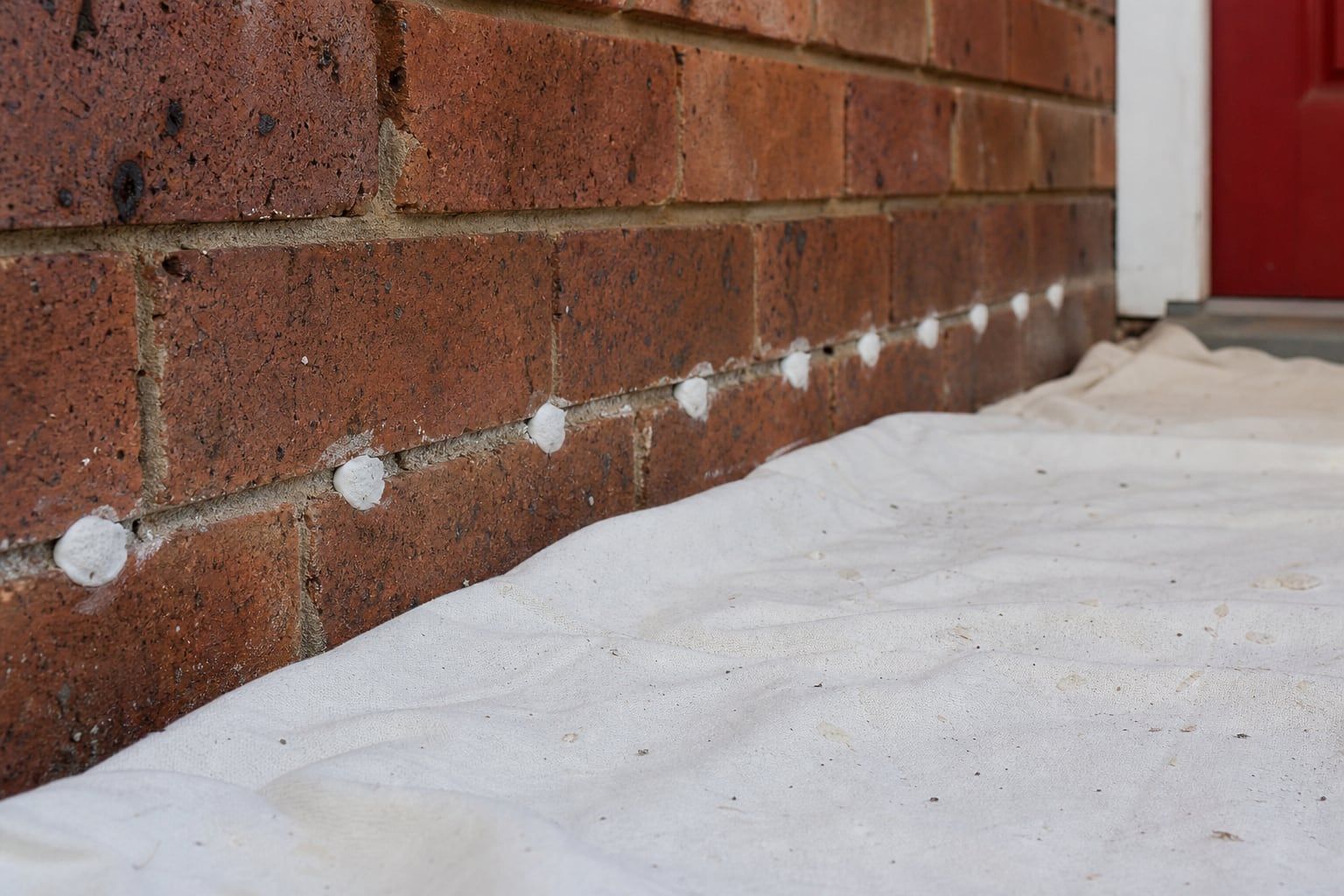
A membrane fitted into the wall in short runs, for masonry an injected barrier can't seal.
A physical damp course is a membrane built into the wall to separate it from the wet ground below. It’s slower to install than injection, but it doesn’t rely on the wall soaking anything up evenly, so it works on masonry where an injected damp course won’t.
When Shire homes need it
Most Sutherland Shire homes are brick with good mortar, and injection suits them. A membrane is the better choice when:
The base is sandstone. The Shire is built on sandstone, and some older homes and cottages, particularly around Sutherland, Loftus, Como and Bundeena, have sandstone footings or base courses. Stone takes cream unevenly.
The brick is soft. Some early bricks are soft and porous, and bricks that have had salt working through them for years can be badly weakened at the base.
The mortar has failed. If the joint rakes out like sand, there’s nothing for injected cream to spread through.
An earlier injection didn’t work. If the readings still show true rising damp after a past injection, a membrane is often the next step.
How we fit it
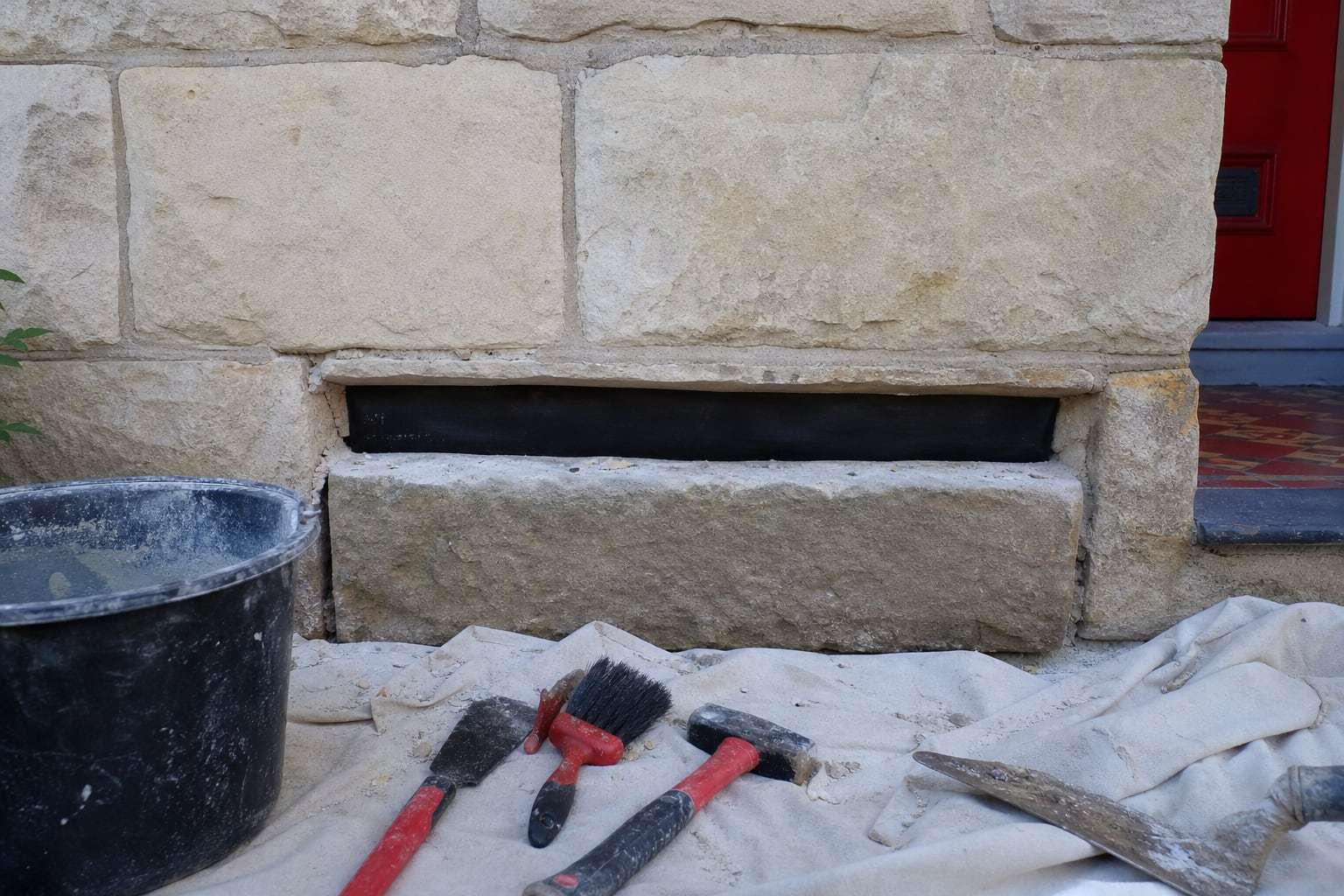
The work goes in short runs to keep the wall supported. A length of the chosen joint is cut or raked out, the membrane is slid in, and the slot is packed solid with mortar. The next run is only opened once the last is packed, and the membrane is overlapped so the barrier is continuous.
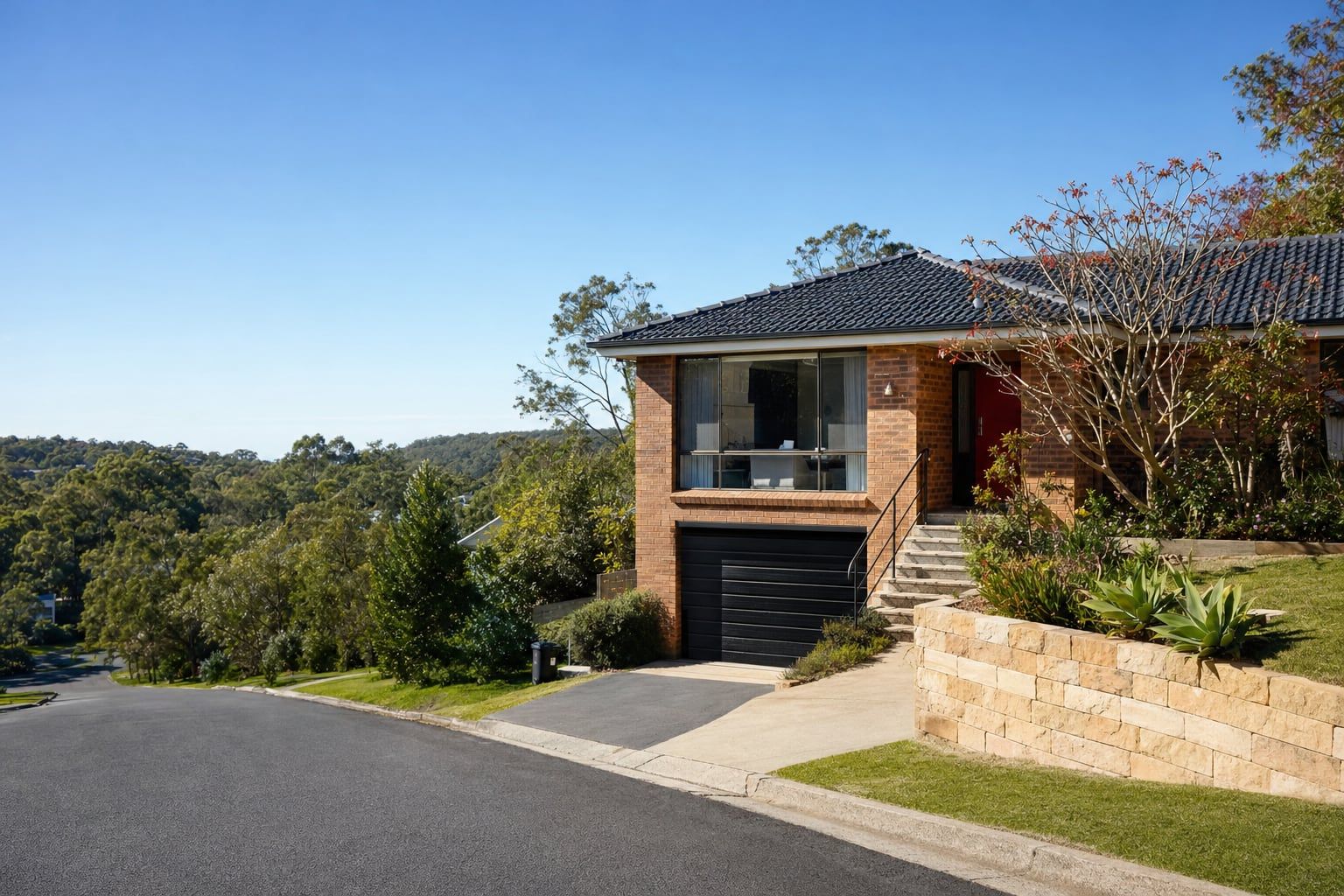
The height is set before cutting begins. On the sloping blocks common across the Shire, ground levels can change several courses along a single wall, so the membrane may need to step. On split-level homes, each level is planned separately.
On stone, we repack with lime-based mortar. It’s softer and more breathable than cement, which suits sandstone and keeps any future movement in the joint rather than the stone.
The other half of the problem
A membrane stops water rising. It doesn’t stop water coming through the side of a wall. On the Shire’s sloping blocks, many lower walls have soil, rock or a retaining wall right against them, and those need drainage or tanking and drainage as well. Our guide on damp in split-level homes explains how to tell which you’re dealing with.
Checking it worked
A few months after the membrane goes in, readings above it should be falling steadily. A meter check before the room is finally painted shows the wall drying from the base upward, which is the sign the barrier is doing its job.
Finishing the wall
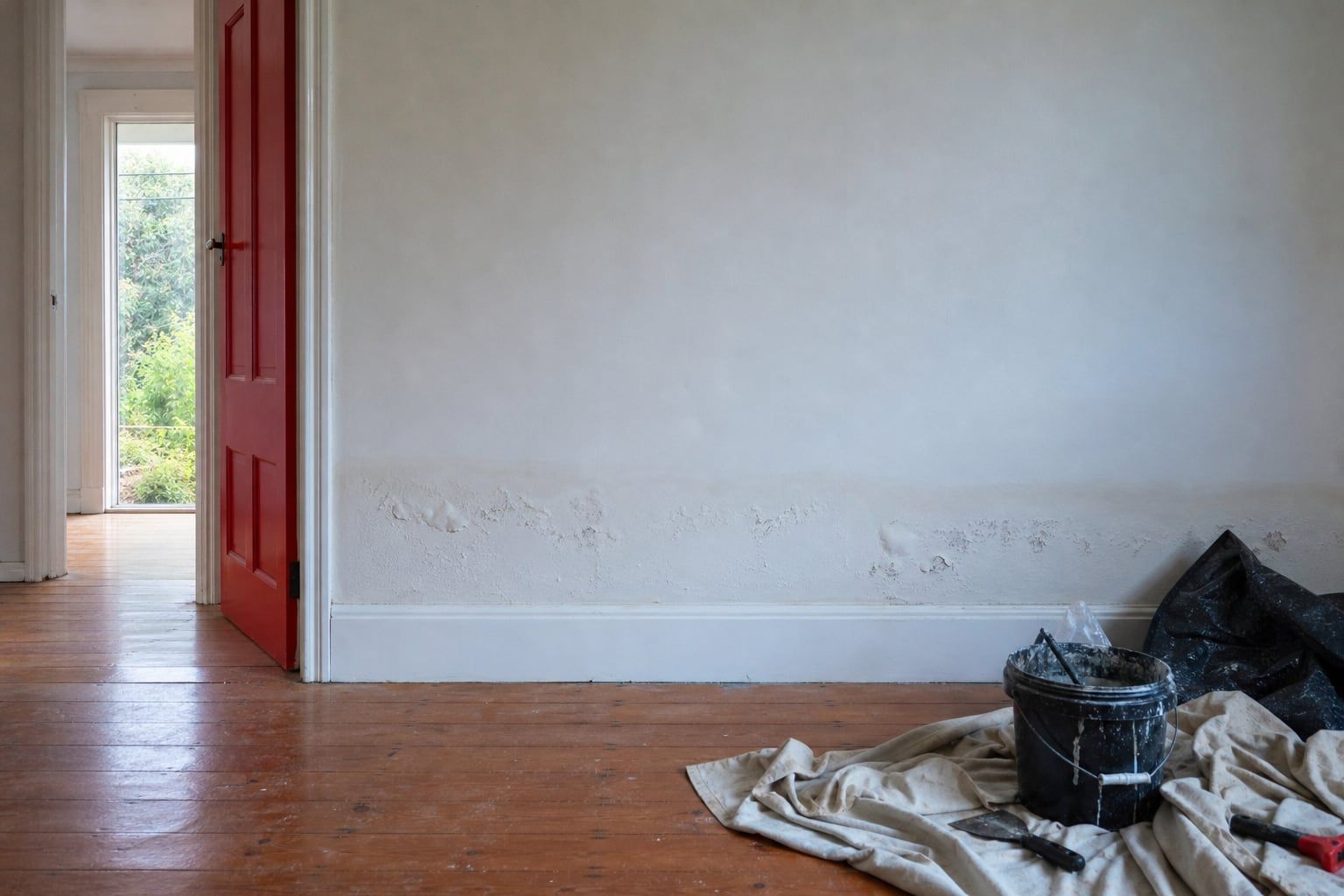
Once the membrane is in, the damaged plaster or render is removed. Stone and thick walls dry slowly, so we use a breathable salt-damaged plaster repair system that lets the masonry keep drying through the surface while giving you a finish you can paint.
What you’ll notice on the day
Fitting a membrane is noisier and slower than injection, because each run is cut, fitted and packed before the next. We work one wall at a time, cover floors and furniture, and clear dust as we go. Most of the time the house stays liveable, with only the room being worked on out of use.
Part of a wider plan
A membrane course is often one part of a larger job. The written quote for your rising damp treatment lists each wall, the method chosen for it and why, along with any drainage, airflow and render work.
Updated
What good physical damp course looks like
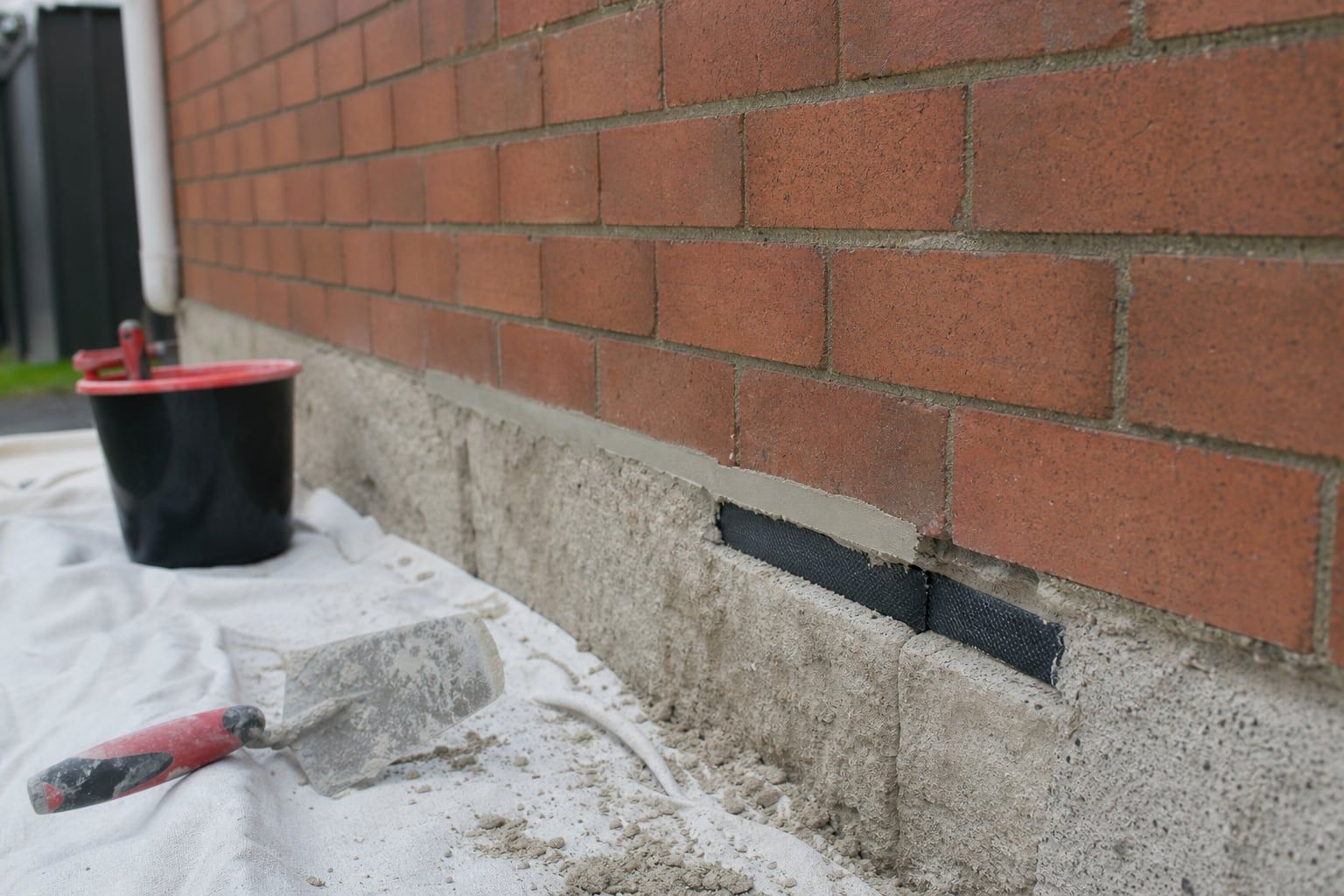
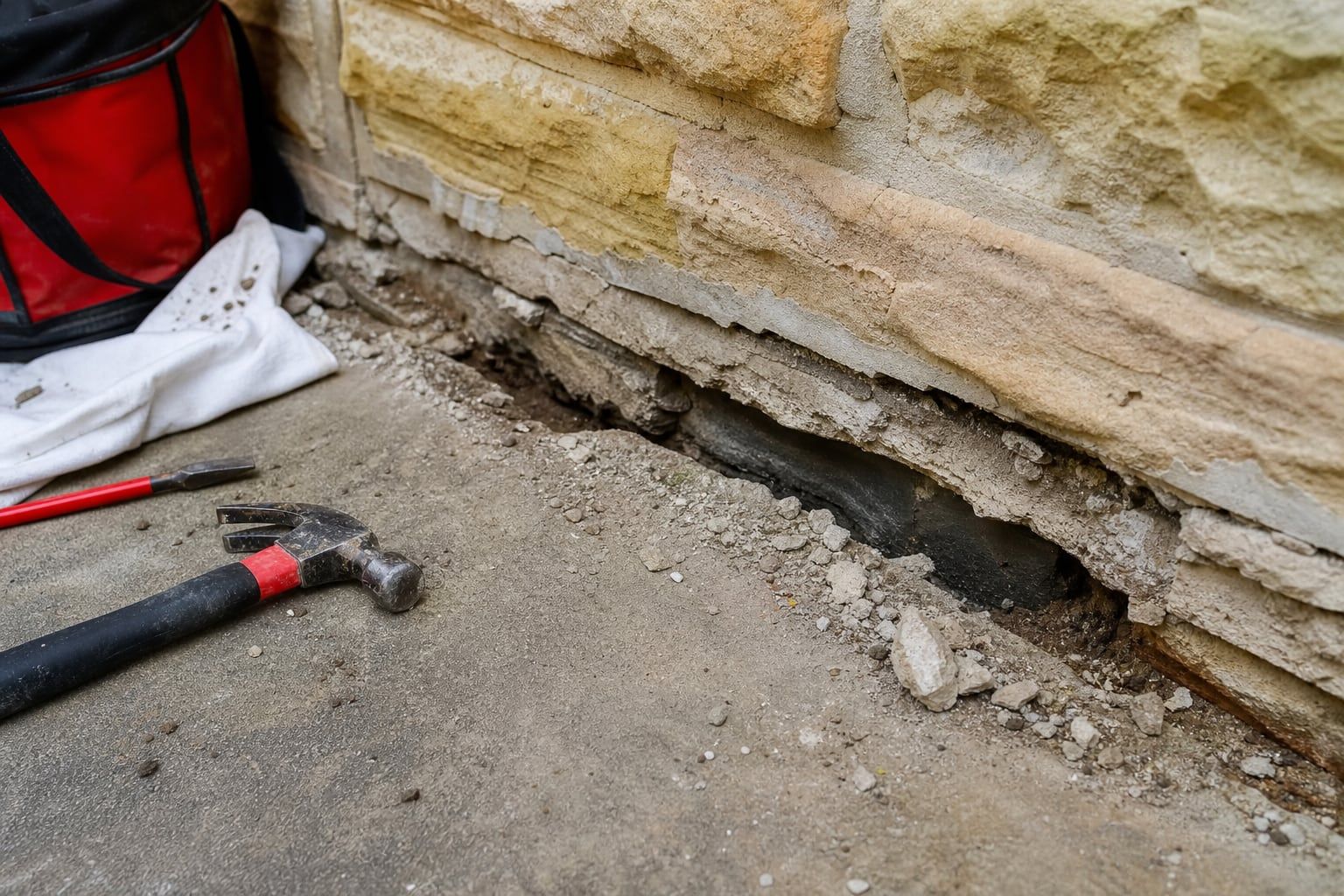
Physical Damp Course in the Sutherland Shire: step by step
- Plan the heightThe membrane line is set under the floor and above outside ground, stepping on sloping blocks.
- Open a short runA short length of the joint is cut out while the rest of the wall carries the load.
- Insert and overlapMembrane is slid into the slot and lapped well over the previous run.
- Repack solidThe slot is packed tight with a compatible mortar before the next run is opened.
Physical Damp Course across the Sutherland Shire
Physical Damp Course questions in the Sutherland Shire
Something else on your mind? Call and ask.
Why would my wall need a membrane rather than injection?
Sandstone bases, soft or crumbling brick, mortar too broken down to hold cream, and walls that were injected before but are still damp are the common reasons.
Does cutting into the wall weaken it?
No. Only a short run is open at any time and each one is packed solid before the next, so the wall above stays supported throughout.
How long does it take to dry afterwards?
Stone and thick walls dry slowly, sometimes over many months. We use a breathable render so you can finish the room without waiting for the whole wall to dry right through.