Sutherland Shire Rising Damp
Downstairs room smelling damp, or paint lifting beside the pool? Book an inspection and get a written quote from a Sutherland Shire damp team.
Split levels cut into sandstone, patios and pool surrounds above the damp course, and weep holes buried under garden beds all wet Shire walls. We measure which it is, fix it, and finish the wall.
Damp repairs across the Sutherland Shire
Damp courses, split-level drainage, tanking and subfloor airflow, chosen wall by wall.
How a Sutherland Shire damp repair runs
- ReadingsEvery affected wall is measured low and high, with a salt check on the plaster.
- Walk the blockRetaining walls, pool surrounds, paving, weep holes and the subfloor are checked.
- Stop the waterRegrading, drainage, tanking, a damp course or airflow, as the readings require.
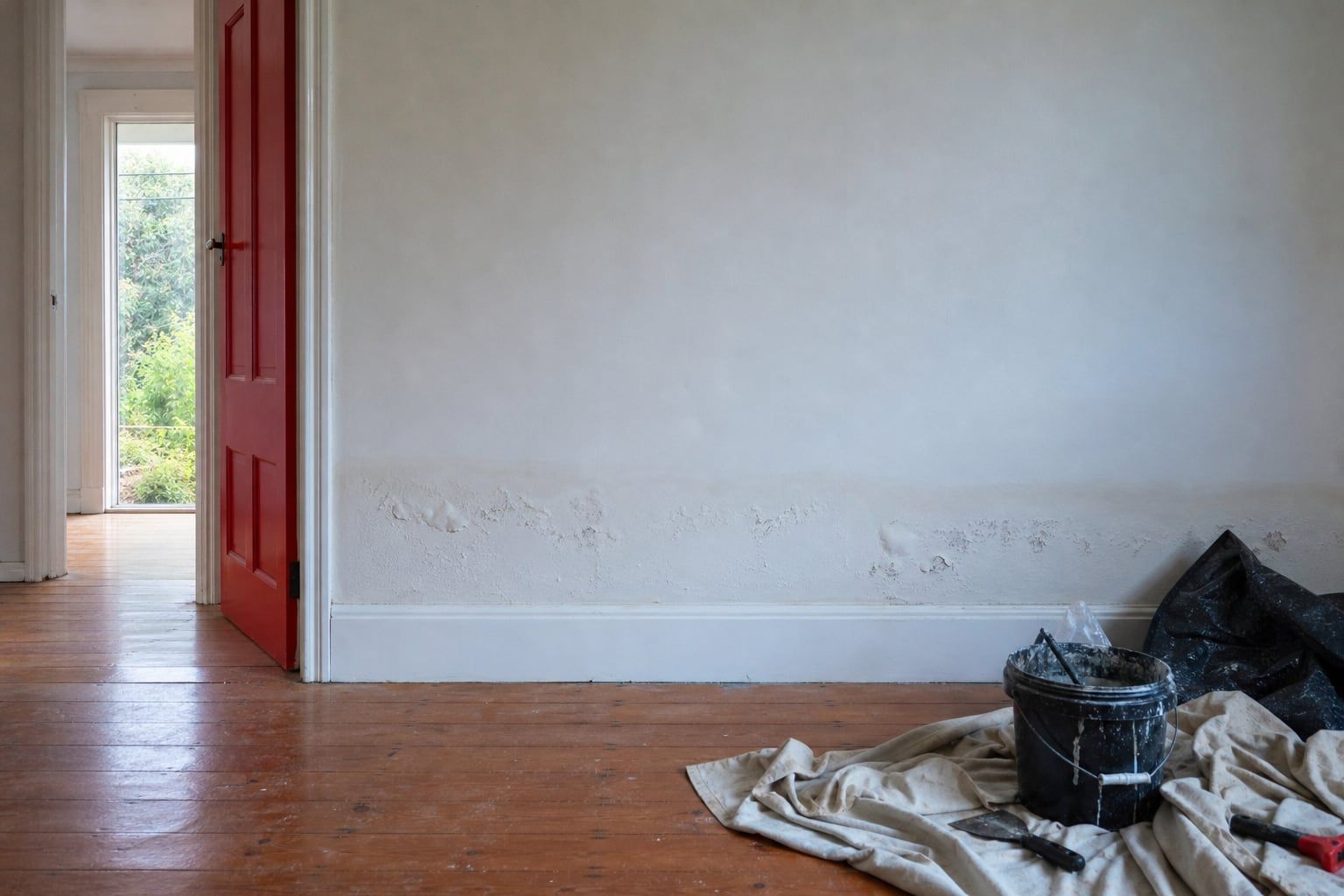
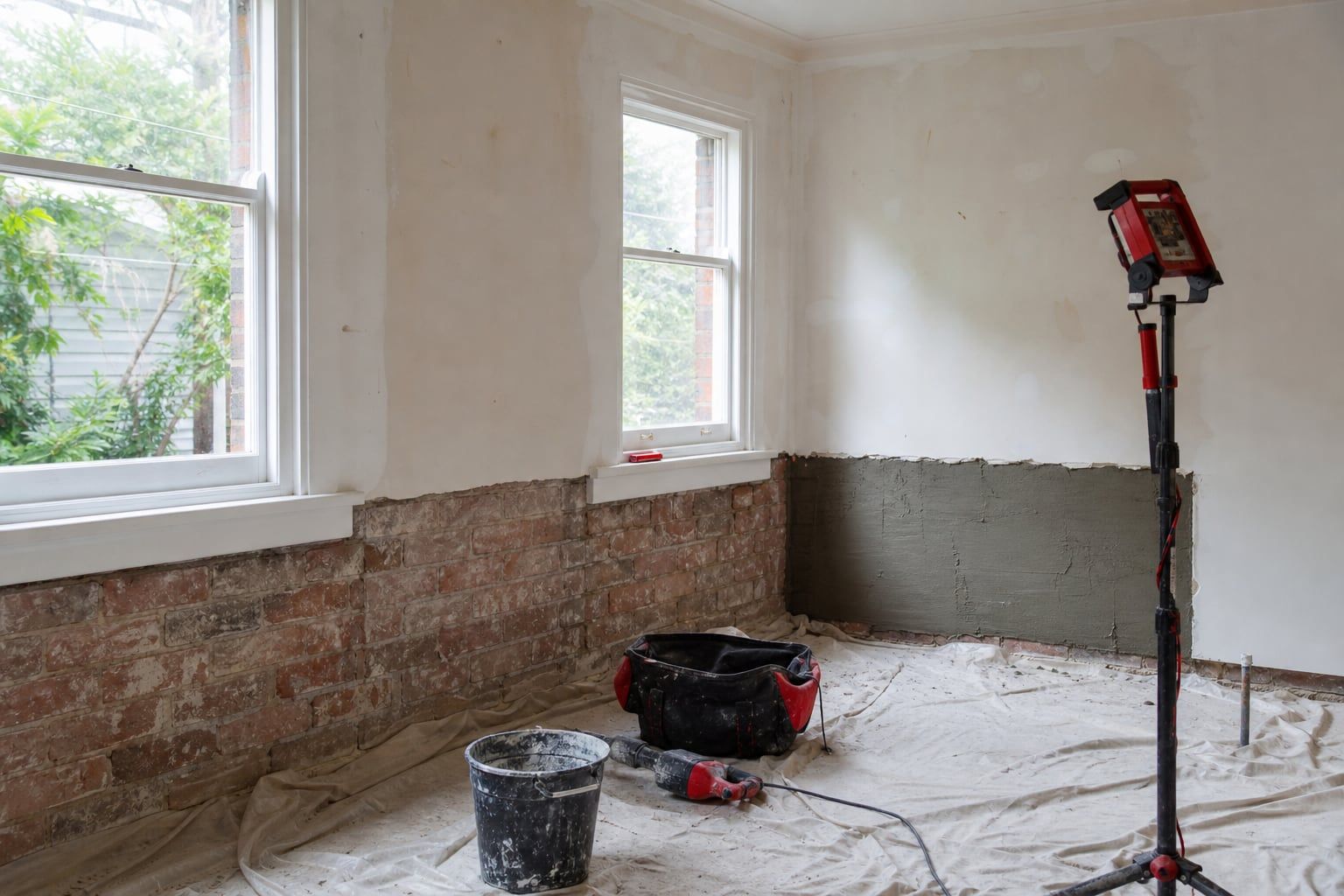
- RenderSalt-loaded plaster is replaced with salt-tolerant render once the wall is dry enough.
- 17Shire suburbs
- 6Damp repairs offered
- 1Written quote, start to finish
Why Shire damp needs a closer look
Slope, backyard or ground
In the Shire, damp often comes from the hill behind a split level or a patio built above the damp course. Readings and a walk around the block tell us which before we recommend a fix.
Simplest fix first
Lowering a strip of paving, clearing weep holes or adding a drain often solves Shire damp without touching the wall. Where that's enough, that's what we quote.
Finished, not just treated
Stripping salt-loaded plaster and putting back a salt-tolerant render is in every quote, so the price covers a wall you can paint.
Sutherland Shire rising damp, measured before it’s treated
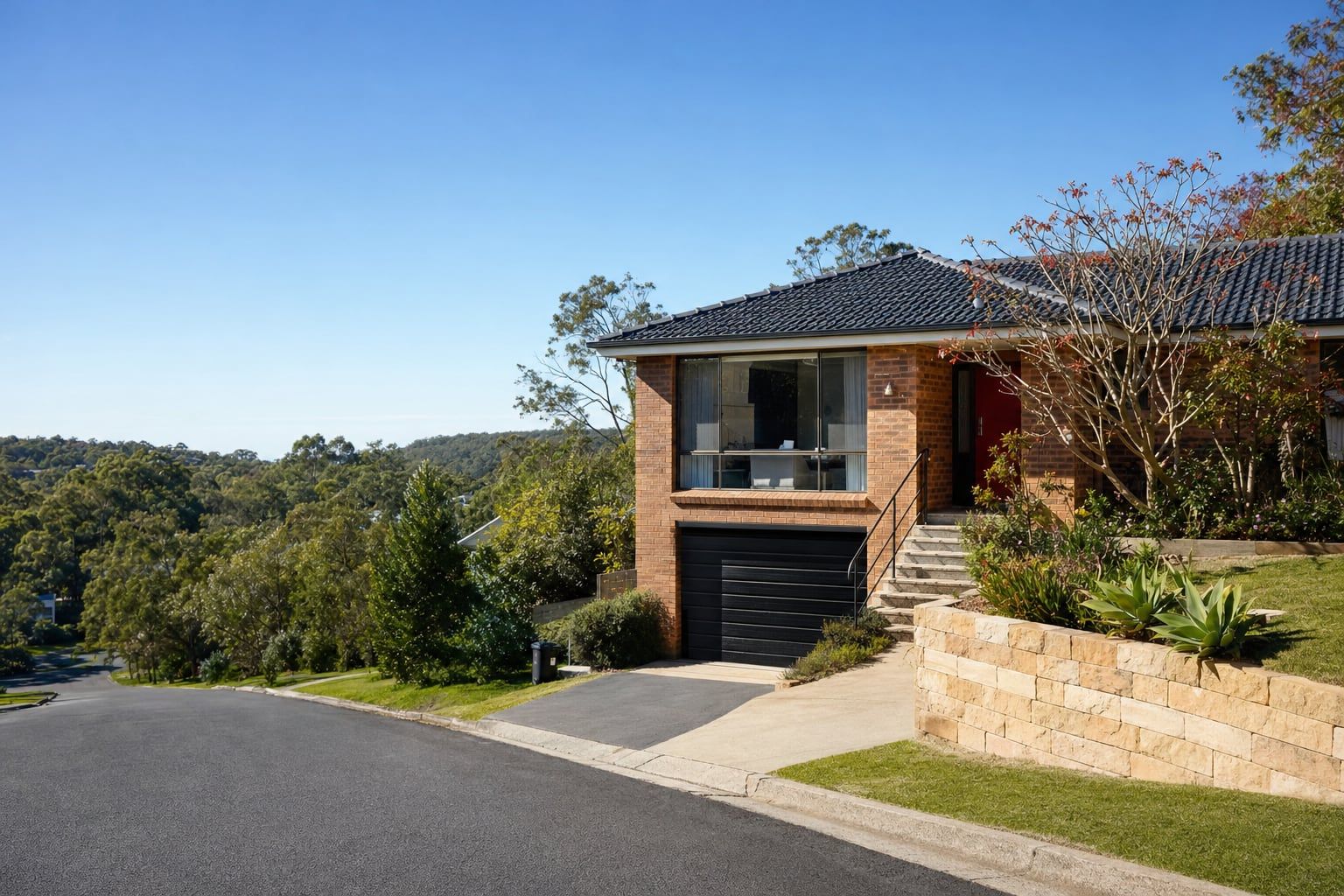
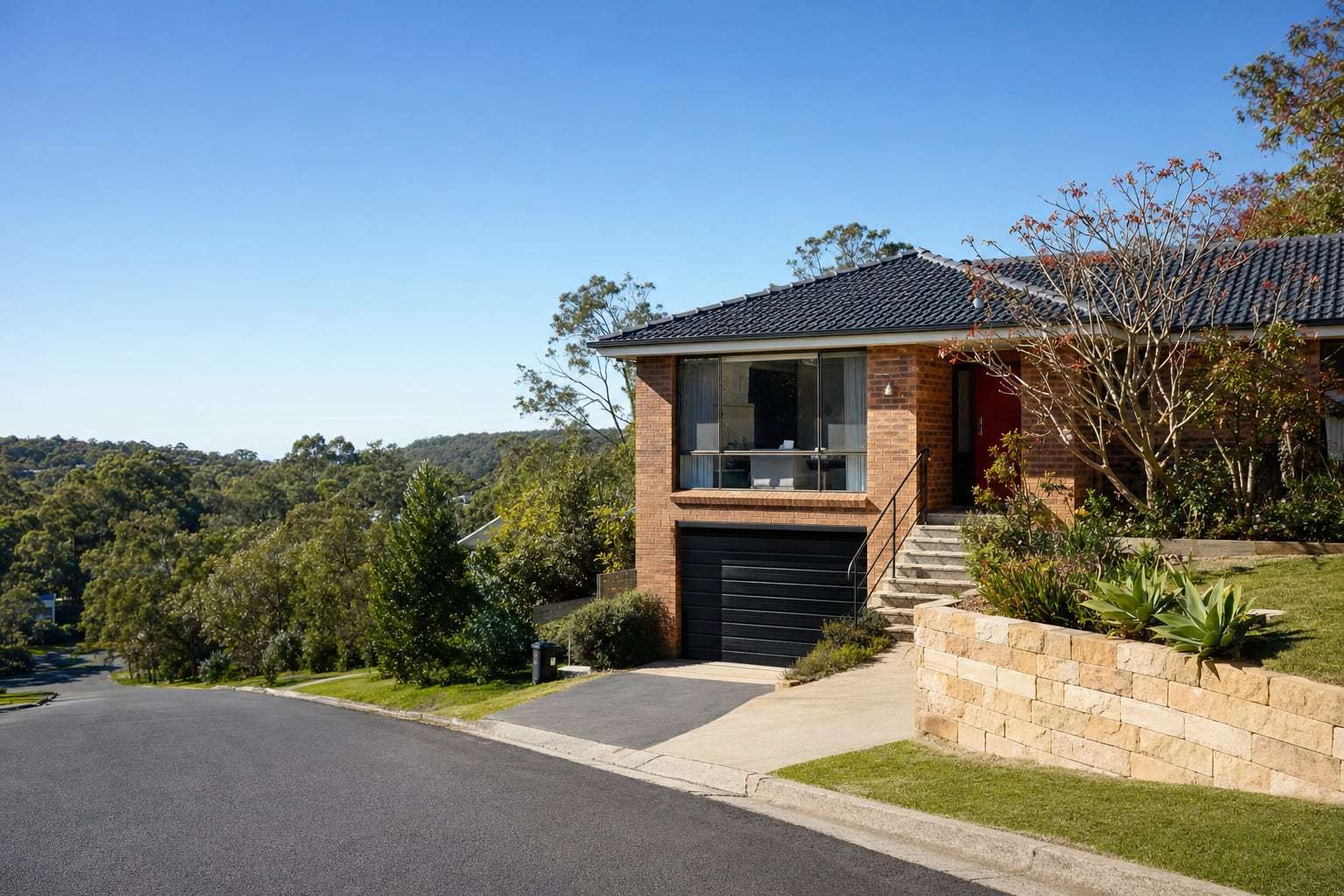
Rising damp in the Sutherland Shire rarely has just one cause. Most Shire homes were built between the fifties and the eighties on sandstone slopes running down to the Georges River, the Woronora, Port Hacking and the beaches. Their damp courses are usually still there. What’s changed is everything around them: split levels cut into the hill, pools and paved entertaining areas laid at door height, garden beds over the weep holes and decks over the vents.
So we measure first. Readings go on every affected wall, low and higher up, and the plaster is checked for salt. Then we walk the block, looking at the retaining walls, pool surround, paving, weep holes, downpipes and subfloor, and tell you what’s actually wetting the walls before anything is quoted.
What we fix in Shire homes
- Rising damp treatment is the full job, from readings to a freshly rendered wall.
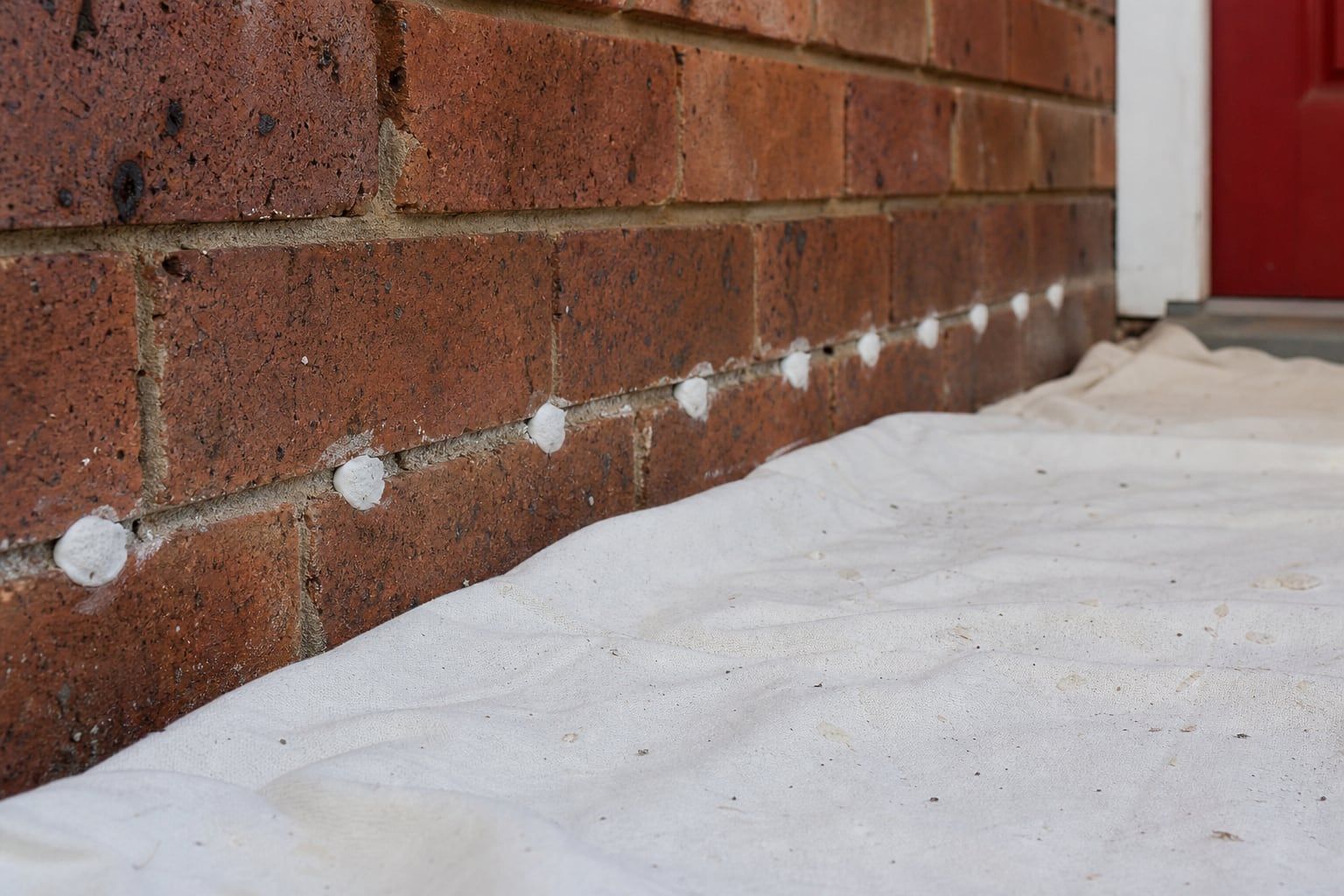
- A chemical damp course is injected into solid, double and cavity brick walls.
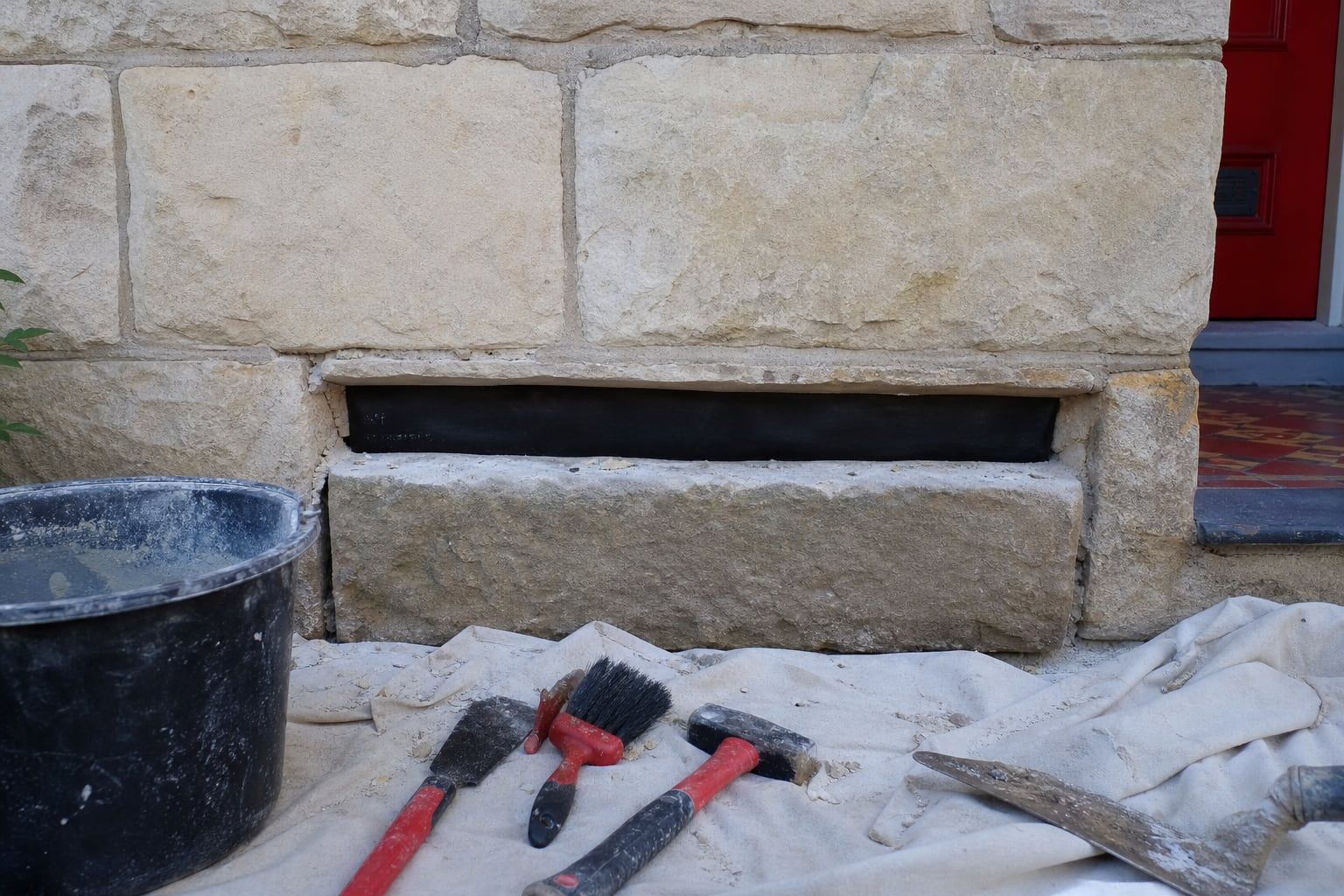
- A physical damp course suits sandstone bases and walls injection can’t seal.
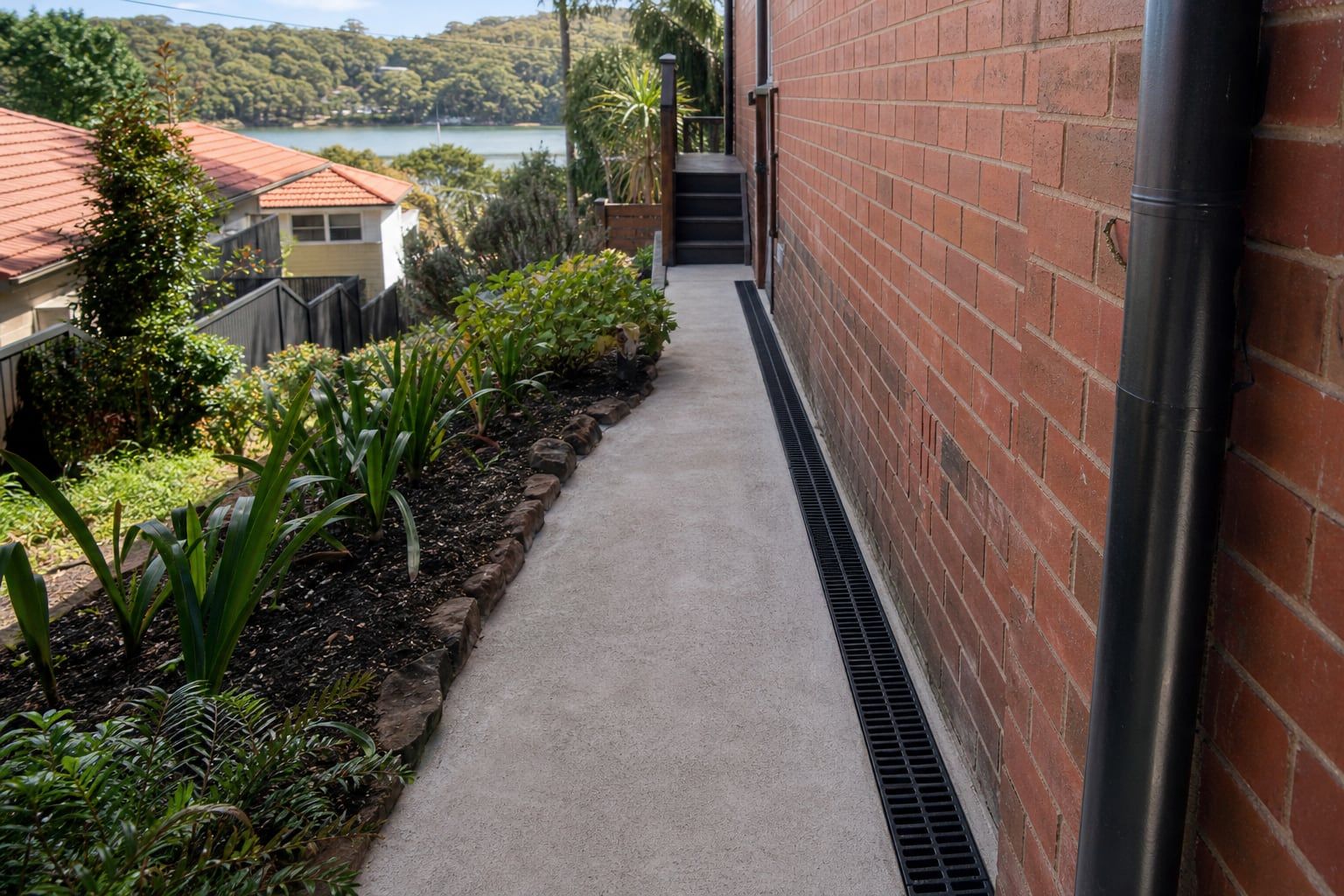
- Waterproof tanking and drainage deal with split levels, retaining walls and backyards that drain toward the house.
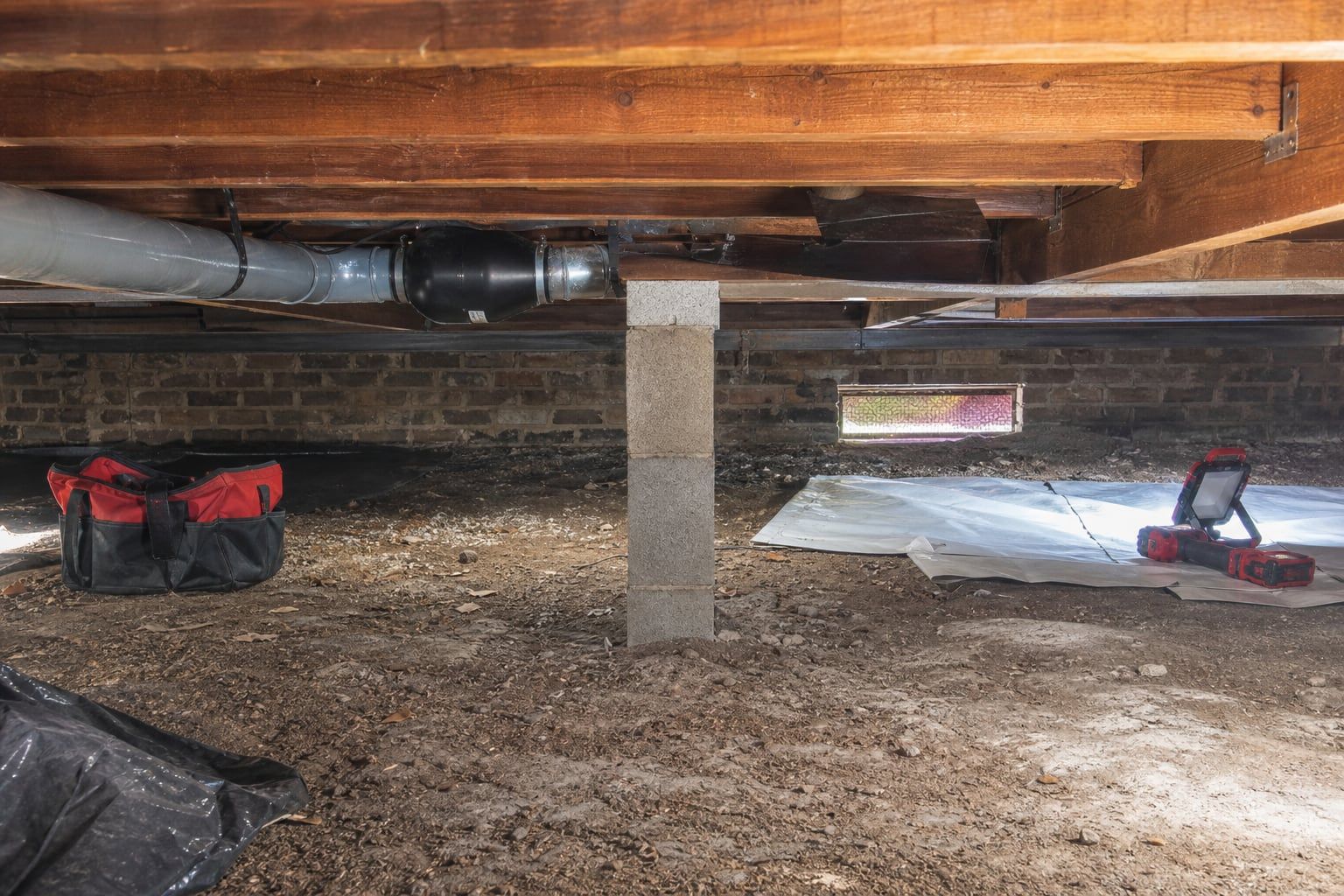
- Subfloor ventilation gets air back under timber floors.
- Salt-damaged plaster repair gives you a wall ready for paint.
Why Shire walls get damp
The slope. Rain soaks into the sandy soil, hits the sandstone and runs downhill along it. Lower floors cut into the hill catch it. Our guide on damp in split-level homes explains how.
The backyard. Pool surrounds, patios and lawns built up over the years often sit above the damp course or fall toward the house. See pool surrounds and damp walls.
The age of the houses. Double brick, cavity brick and brick veneer homes of the sixties and seventies each get damp differently. Our guide on damp in 1970s brick homes covers what to check.
The coast. In Cronulla, Kurnell and Bundeena, salt air settles in render on ocean-facing walls.
How a job runs
You get a written quote listing each wall, the fix and the render work. Outside drainage and regrading usually come first, then the barrier or tanking. Salt-loaded plaster is stripped, the wall dries, and a salt-tolerant render goes back on.
Start here
Our page on signs of rising damp explains each symptom. Or send the form with your address and a photo of the wall, and we’ll book a time to measure it.
Sutherland Shire suburbs we cover
Pick your suburb for local detail, or just call. We cover the whole Sutherland Shire.
Rising damp guides for Sutherland Shire homeowners
- Damp in split-level homes: lower floors cut into Sutherland Shire sandstoneWhy the lower floors of split-level homes on Shire slopes get damp, how to tell it from rising damp, and what keeps them dry.
- Pool surrounds and damp walls: when the backyard is wetting the houseHow pools, paved entertaining areas and built-up backyards put water against Shire walls, and how to fix the drainage without starting over.
- Damp in 1970s brick homes: what to check in Shire houses of that eraHow double brick, cavity brick and brick veneer homes of the sixties and seventies get damp, and the checks that find the cause quickly.
Rising damp questions from the Shire
Something else on your mind? Call and ask.
Which suburbs do you cover?
The whole Shire: Cronulla, Woolooware, Caringbah, Miranda, Gymea and Kirrawee; Sutherland, Jannali, Como, Oyster Bay, Kareela and Sylvania; Engadine, Heathcote and Loftus; Menai, Illawong, Bangor and Barden Ridge; and Kurnell and Bundeena.
Do you work on split-level homes?
Yes, it's a big part of what we do here. Lower levels cut into the slope usually need drainage or tanking.
How soon can you come out?
Usually within the week. Fill in the form with your address, and add a photo of the damp area if you can, so we know what to expect.
My house was built in the 1970s. Can it have rising damp?
Yes, though it's less common than in older homes. In houses of that era the cause is more often soil, paving or a pool surround built up over the damp course, or blocked weep holes, which let water bypass a course that's still intact.
The downstairs room of my split-level is damp. What does that mean?
Lower levels cut into the slope usually get water through the side of the wall from the hill behind. They often need drainage or tanking rather than, or as well as, a damp course.
Do you work around pools?
Yes. Pool surrounds that fall toward the house are a frequent cause of damp walls in the Shire. We look at how the coping and paving drain as part of every inspection.