Waterproof Tanking and Drainage Sutherland Shire
Send water away from the house outside, and waterproof the walls that have to stay against the ground.
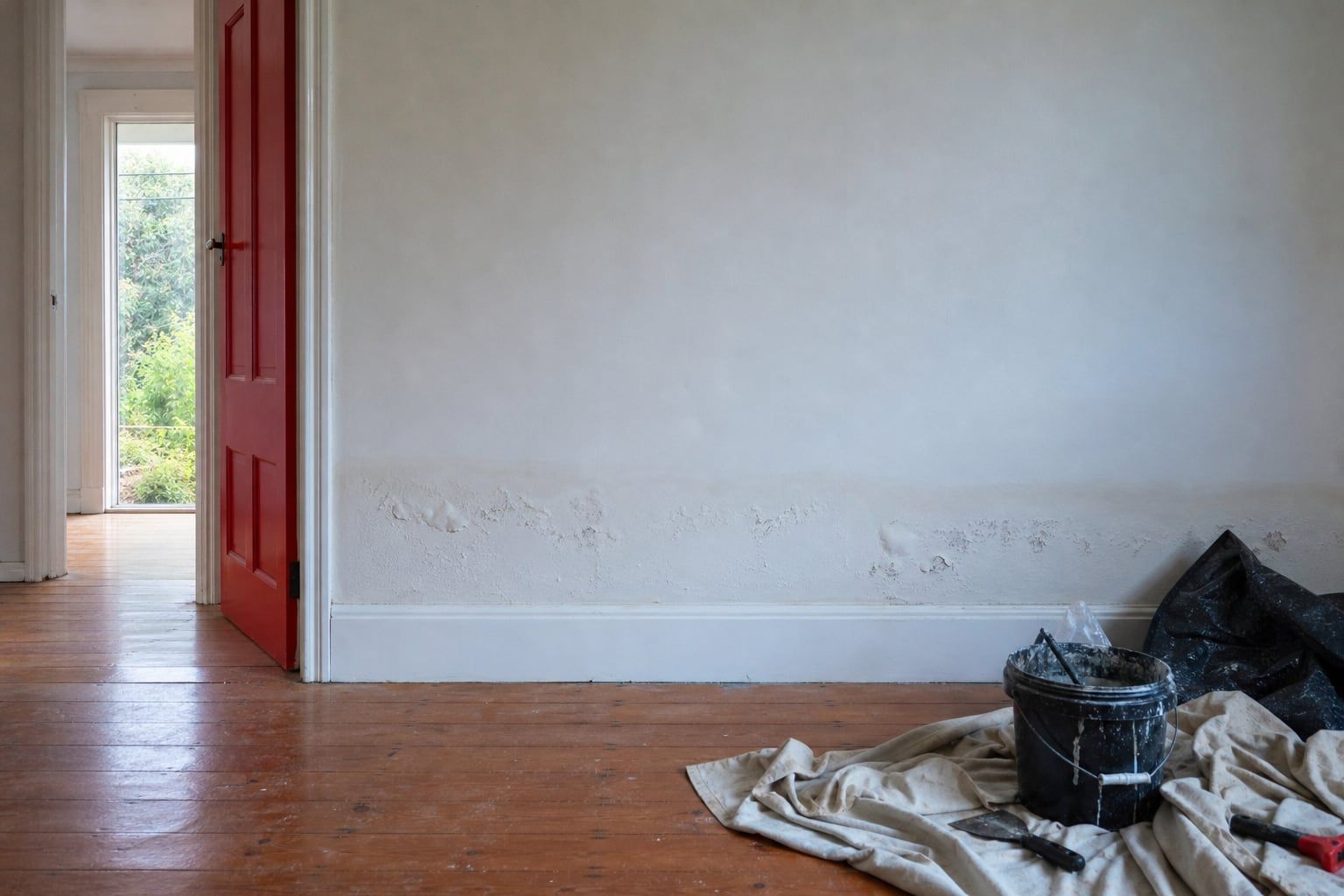
Waterproof tanking and drainage are often the most important damp repairs in the Sutherland Shire. A damp course only stops water rising up through a wall. On the Shire’s sandstone slopes, much of the damp comes in from the side: from a hill behind a split-level home, a retaining wall holding soil against the house, a pool surround that drains toward the back door, or paving laid higher than the floor.
Backyards that drain toward the house
Shire backyards work hard: pools, paved entertaining areas, outdoor kitchens, turf and garden beds. Many were added decades after the house was built, often at the same level as the back door or with a fall toward the house rather than away from it. Every rainfall, and every splash from the pool, puts water against the back wall above the damp course.
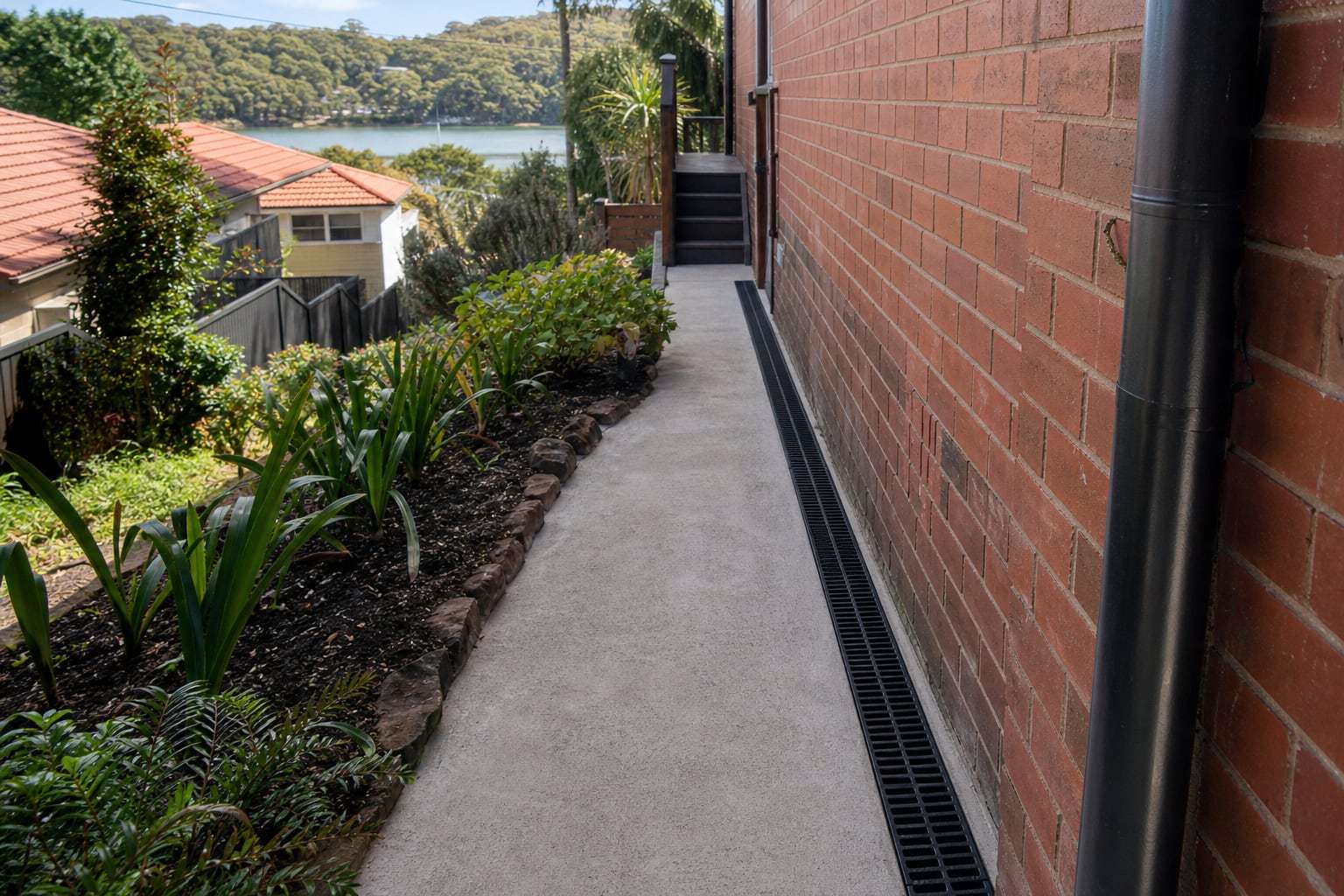
The fix is in the yard. We lower or regrade paving to fall away from the house, install a strip drain along the base of the wall, separate pavers from the brick with a gravel strip over a drain, and make sure pool overflow and downpipes go into the stormwater. Our guide on pool surrounds and damp walls covers it in detail.
Split-level homes and cut walls
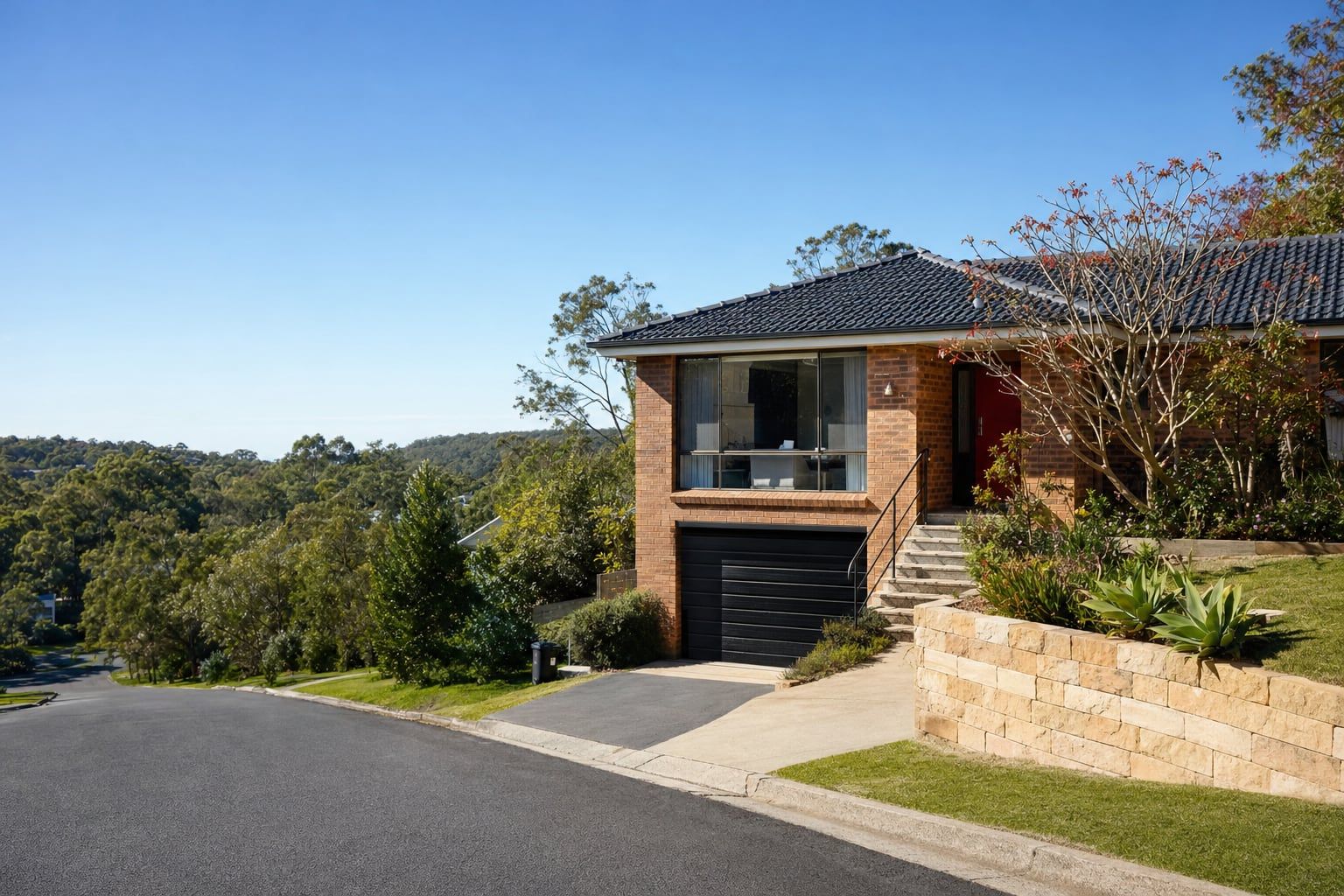
Split-level homes are everywhere in the Shire, particularly on the slopes of Como, Jannali, Oyster Bay, Kareela, Sylvania, Illawong, Bangor and Menai. The lower level is cut into the hill, with its back wall against sandstone or sandy soil. After rain, water moves through the soil and along the rock and presses against that wall.
Where we can reach the outside of the wall, an agricultural drain in a gravel trench intercepts that water and carries it away. Where we can’t, which is common when the wall is against rock, we tank the inside face: a cementitious waterproofing system built up in layers, carried around corners and down onto the floor, then rendered or lined. Our guide on damp in split-level homes explains more.
Retaining walls
Sandstone and block retaining walls hold up a large share of Shire backyards. Many were built without drainage behind them, so water builds up in the soil and soaks into any house wall nearby. Adding drainage behind or beside the retaining wall can take the pressure off. If a retaining wall is cracked, bulging or leaning, it needs an engineer before any damp work.
Weep holes
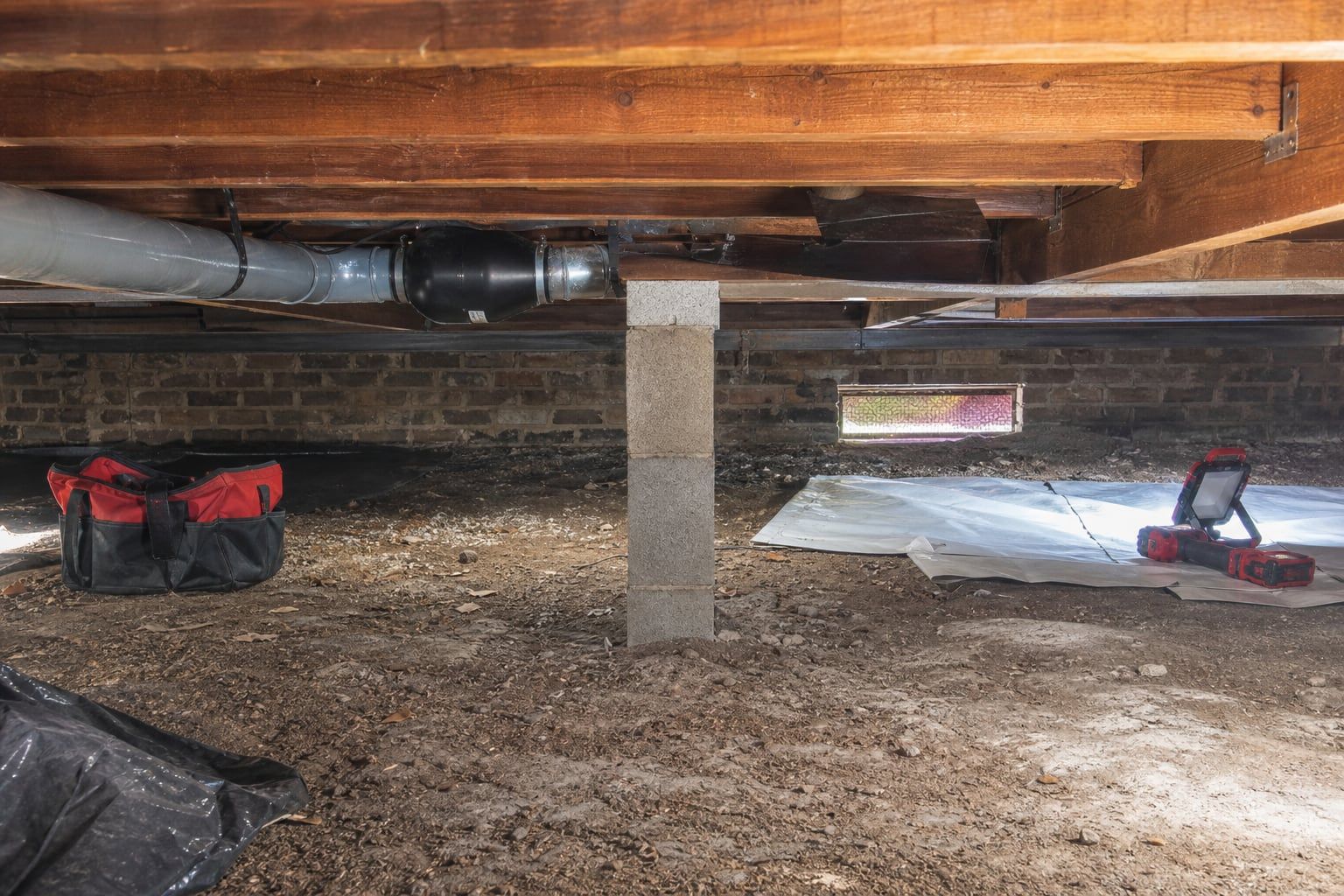
Brick veneer and cavity brick homes have weep holes in the bottom course of the outer brick. Paving, soil or render over them stops water draining out of the cavity. Clearing them is part of every drainage job.
Diagnose before you dig
We don’t assume every damp lower wall needs tanking. Readings show whether the damp is even along the base, which points to rising damp, or heaviest where the ground or paving meets the wall and worse after rain, which points to water from the side. Many homes have both. A plan might combine a regraded patio, tanking on a cut wall downstairs and a chemical damp course in the upper level’s internal walls.
Finishing
Once water is directed away, salt-damaged render on untanked walls is replaced with salt-damaged plaster repair. Every part is in the written quote. For the full approach, see rising damp treatment.
Updated
What good waterproof tanking and drainage looks like
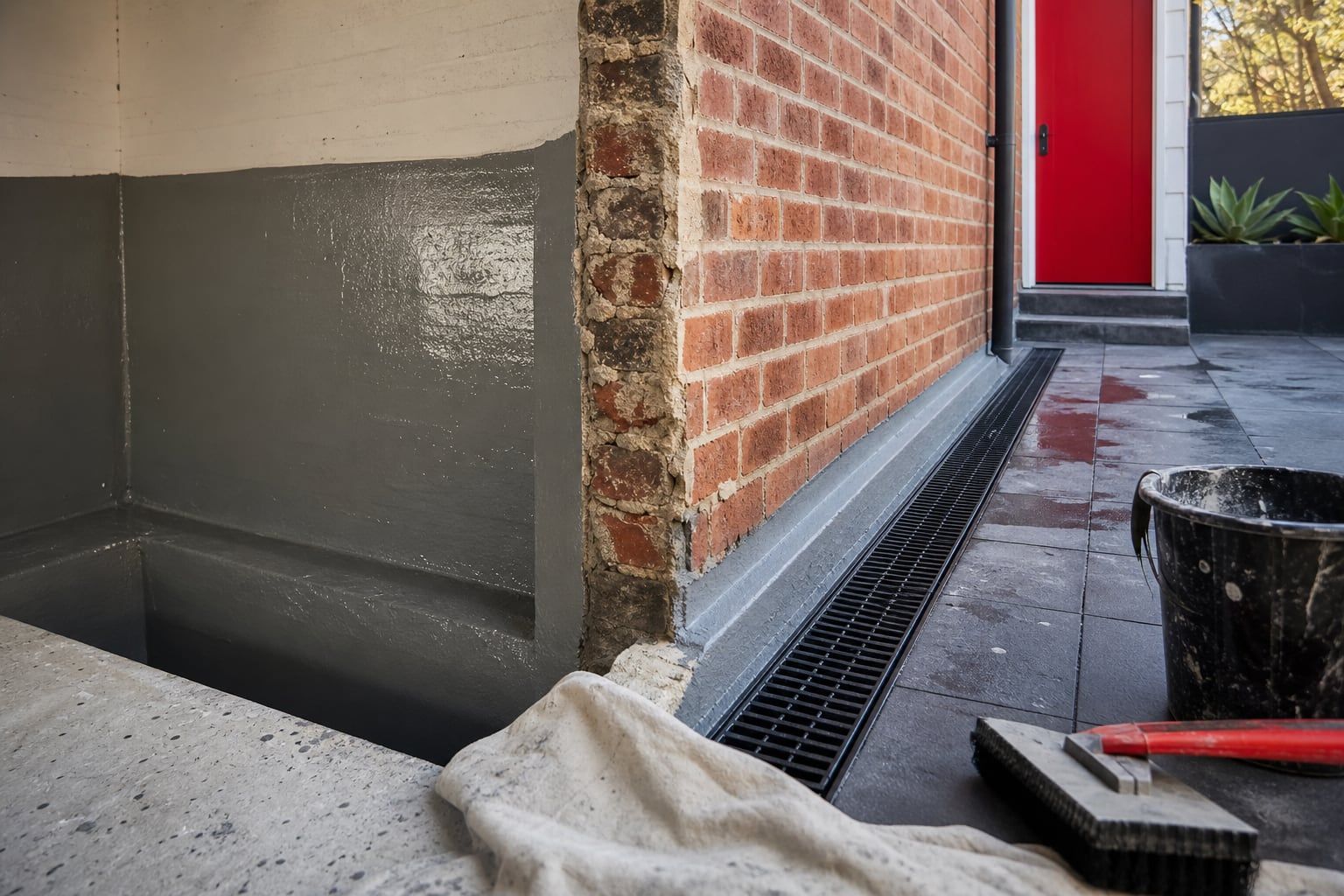
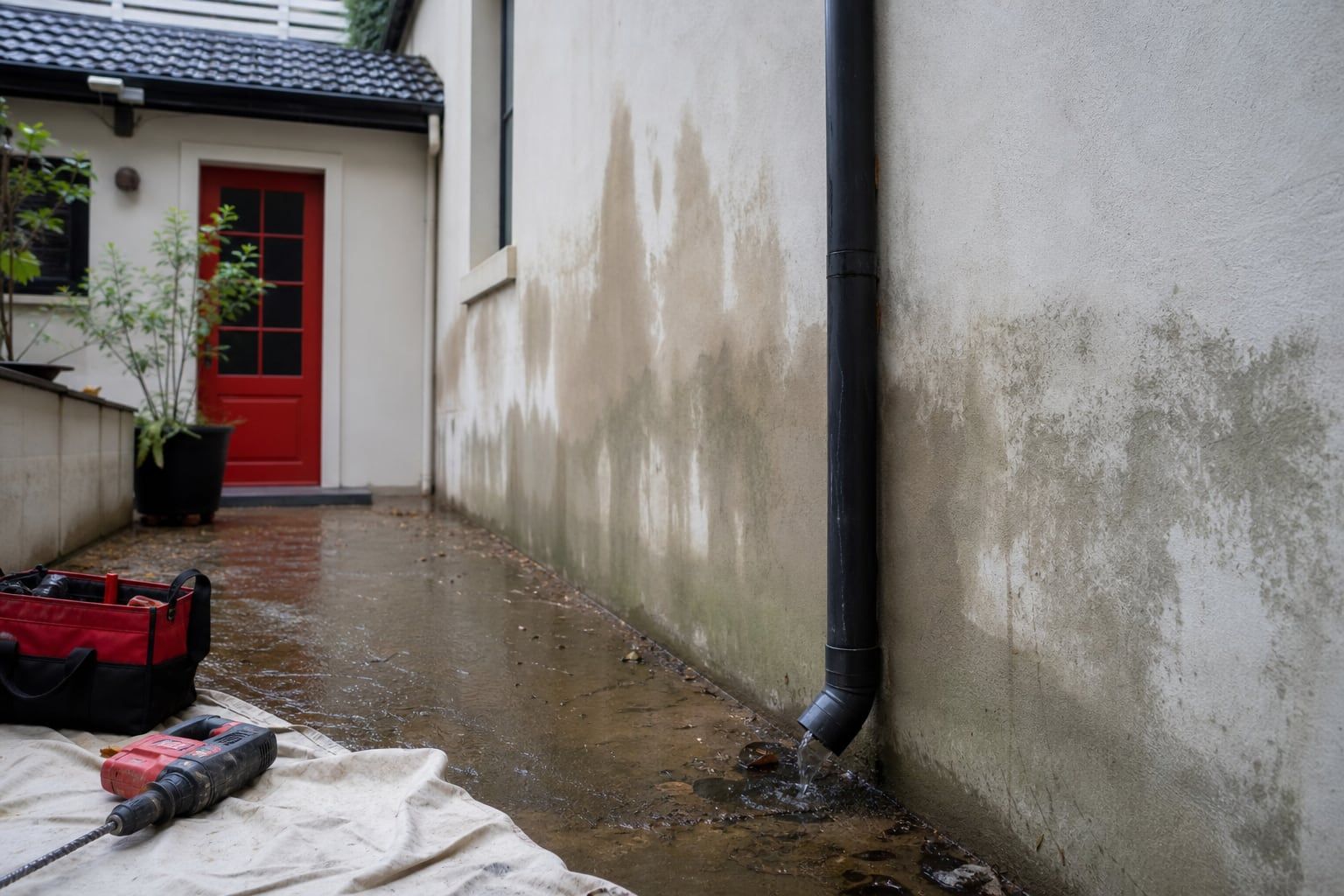
Waterproof Tanking and Drainage in the Sutherland Shire: step by step
- Map the runoffWe see how the block falls, where water collects and which walls take it, after rain and in the dry.
- Redirect itPaving is regraded or lowered, drains installed and downpipes connected so water leaves the house.
- Waterproof the cut wallsWalls that must stay against soil or rock are tanked on their inside face.
- Cover and finishThe tanking is protected with render or lining so the room can be used normally.
Waterproof Tanking and Drainage across the Sutherland Shire
Waterproof Tanking and Drainage questions in the Sutherland Shire
Something else on your mind? Call and ask.
My backyard was paved years ago. Could that be why the wall is damp?
Very often. Paving and pool surrounds laid at door height, or falling toward the house, put water against the wall above the damp course every time it rains.
Can a retaining wall make my house damp?
Yes, if it holds wet soil against the house or has no drainage behind it. Water builds up in the soil and soaks into the nearest wall. We'll recommend an engineer if a retaining wall shows cracking or leaning.
Is tanking permanent?
A properly applied system is designed to last for decades. Its life is longest when drainage outside takes as much water pressure off the wall as possible.
Waterproof Tanking and Drainage guides for Sutherland Shire homeowners
- Damp in split-level homes: lower floors cut into Sutherland Shire sandstoneWhy the lower floors of split-level homes on Shire slopes get damp, how to tell it from rising damp, and what keeps them dry.
- Pool surrounds and damp walls: when the backyard is wetting the houseHow pools, paved entertaining areas and built-up backyards put water against Shire walls, and how to fix the drainage without starting over.